alcoholic ketoacidosis pathophysiology Alcoholic ketoacidosis pathophysiology diabetestalk ketosis diabetic
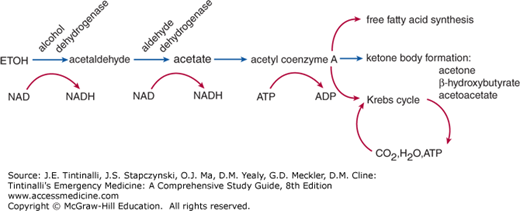
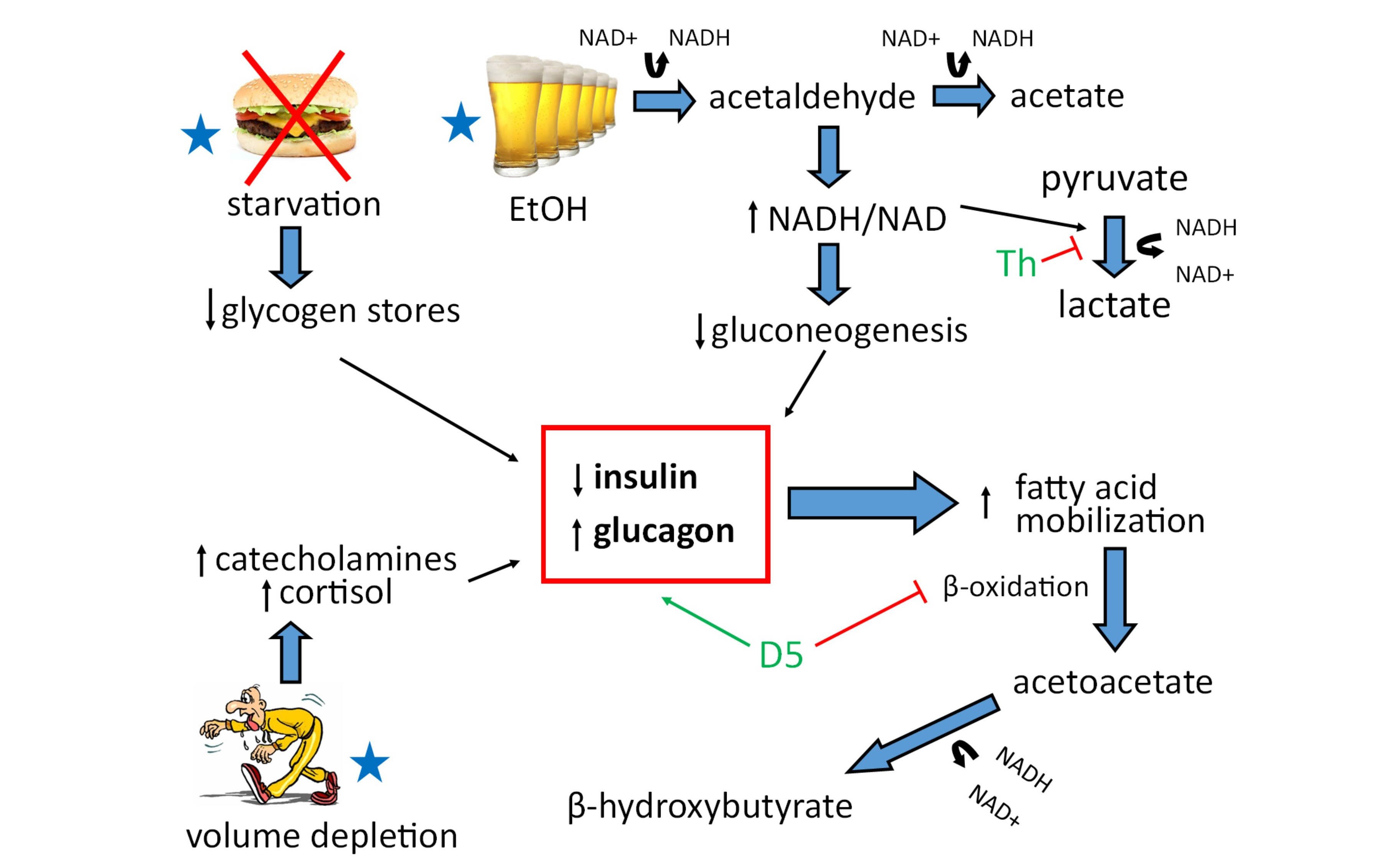
Alcoholic ketoacidosis (AKA) is a medical emergency. It is a metabolic disorder caused by alcohol consumption, leading to an increased production of ketone bodies, which results in a drop in the pH level of the blood. This condition usually occurs in people who are alcoholics or binge drinkers, or those who undergo prolonged periods of fasting. The symptoms of AKA can mimic those of other conditions. These may include abdominal pain, nausea, vomiting, dehydration, shortness of breath, confusion, and even coma. AKA is often misdiagnosed as diabetic ketoacidosis (DKA), leading to delayed treatment. The diagnosis of AKA is made through laboratory tests, including arterial blood gas (ABG) analysis, serum electrolyte measurement, and ketone body measurement. The treatment of AKA involves fluid resuscitation, electrolyte replacement, and glucose administration. Close monitoring of the patient’s vital signs, including blood pressure, heart rate, and breathing, is also important. It is also important to note that AKA has a higher mortality rate than DKA. The mortality rate of AKA can be as high as 20%, compared to 2-5% for DKA. To better understand the pathophysiology of AKA, it is important to understand the effects of alcohol on the body. When alcohol is consumed, it is broken down by the liver into acetaldehyde, which is then converted into acetic acid. This process leads to an accumulation of NADH, which inhibits the production of glucose in the liver. The inhibition of glucose production leads to a decrease in insulin secretion, which promotes the release of fatty acids from adipose tissue. The fatty acids are then broken down into ketone bodies, which, in high concentrations, cause acidosis. In conclusion, AKA is a medical emergency that requires prompt diagnosis and treatment. As healthcare professionals, it is important for us to be aware of the symptoms and have a high index of suspicion for this condition, especially in patients who are alcoholics or binge drinkers. Early recognition and intervention can significantly improve patient outcomes.
If you are looking for Alcoholic Ketoacidosis | Anesthesia Key you’ve came to the right web. We have 5 Pics about Alcoholic Ketoacidosis | Anesthesia Key like Alcoholic Ketoacidosis: Mind the Gap, Give Patients What They Need EMRA, Alcoholic Ketoacidosis Lab Results | DiabetesTalk.Net and also Alcoholic Ketoacidosis: Mind the Gap, Give Patients What They Need EMRA. Read more:
Alcoholic Ketoacidosis | Anesthesia Key
 aneskey.comketoacidosis alcoholic etoh
Alcoholic Ketoacidosis Pathophysiology | DiabetesTalk.Net
 diabetestalk.netalcoholic ketoacidosis pathophysiology diabetestalk ketosis diabetic
Alcoholic Ketoacidosis: Mind The Gap, Give Patients What They Need EMRA
 www.emra.orgketoacidosis alcoholic gap alcohol thiamine withdrawal patients popularquotesimg emra
Alcoholic Ketoacidosis (AKA) Rosh Review | Diabetic Ketoacidosis
 www.pinterest.comketoacidosis rosh diabetic acidosis metabolic mnemonics
Alcoholic Ketoacidosis Lab Results | DiabetesTalk.Net
 diabetestalk.netketoacidosis alcoholic pathophysiology ketosis aka dka management lab metabolism ketogenesis results diabetestalk uptodate wikem high gap grepmed diabetic
Ketoacidosis alcoholic etoh. Alcoholic ketoacidosis (aka) rosh review. Alcoholic ketoacidosis pathophysiology